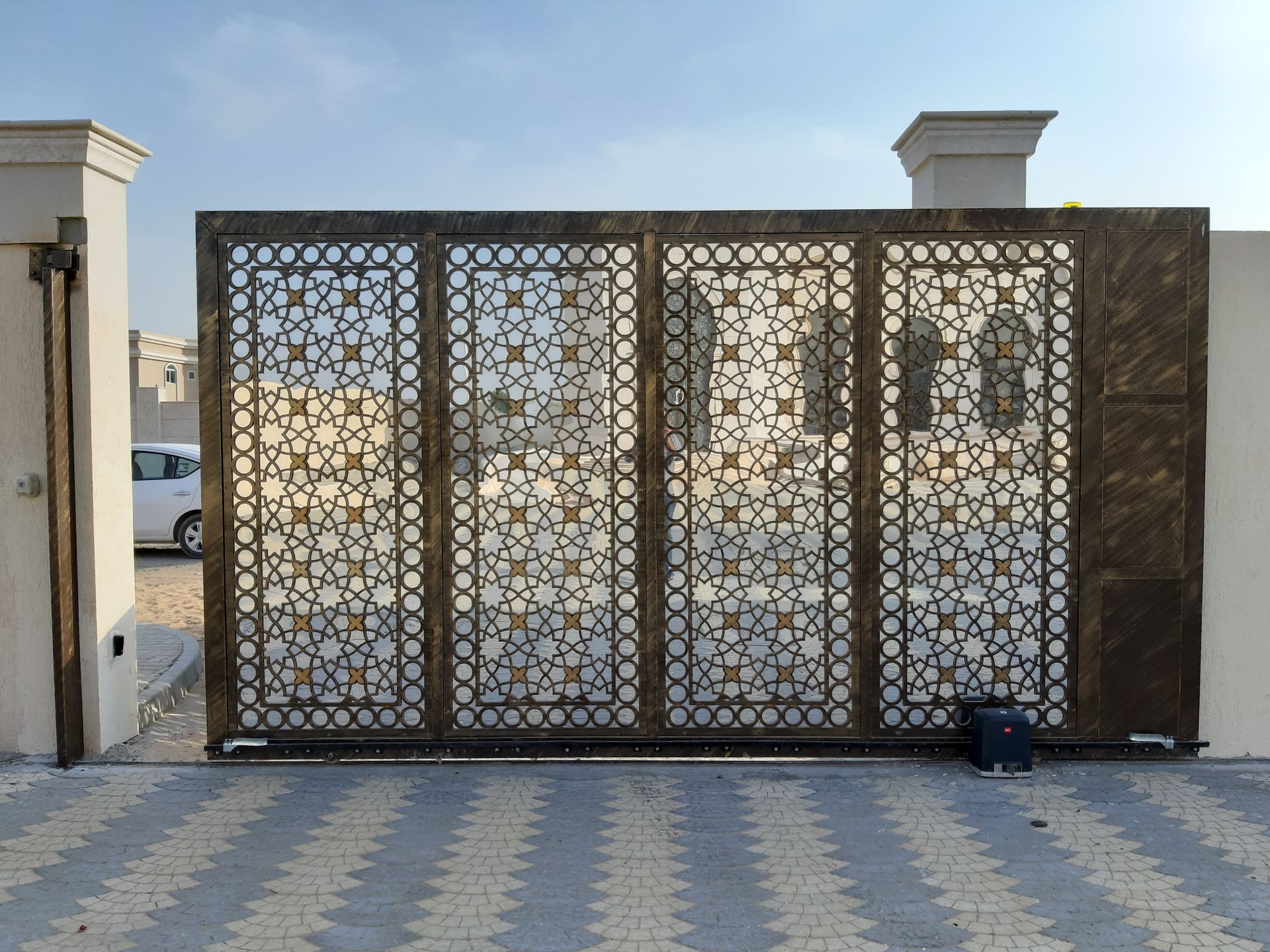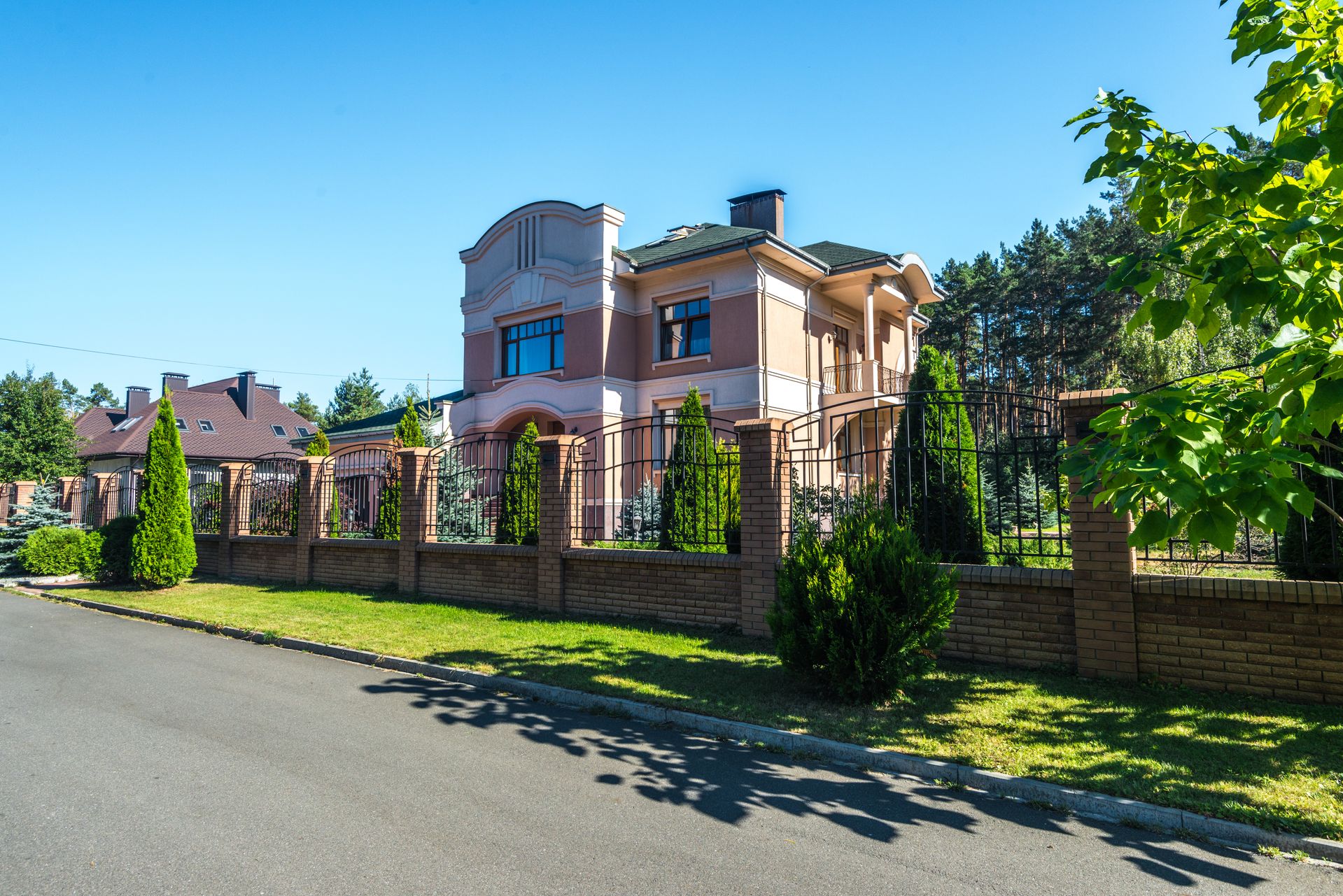

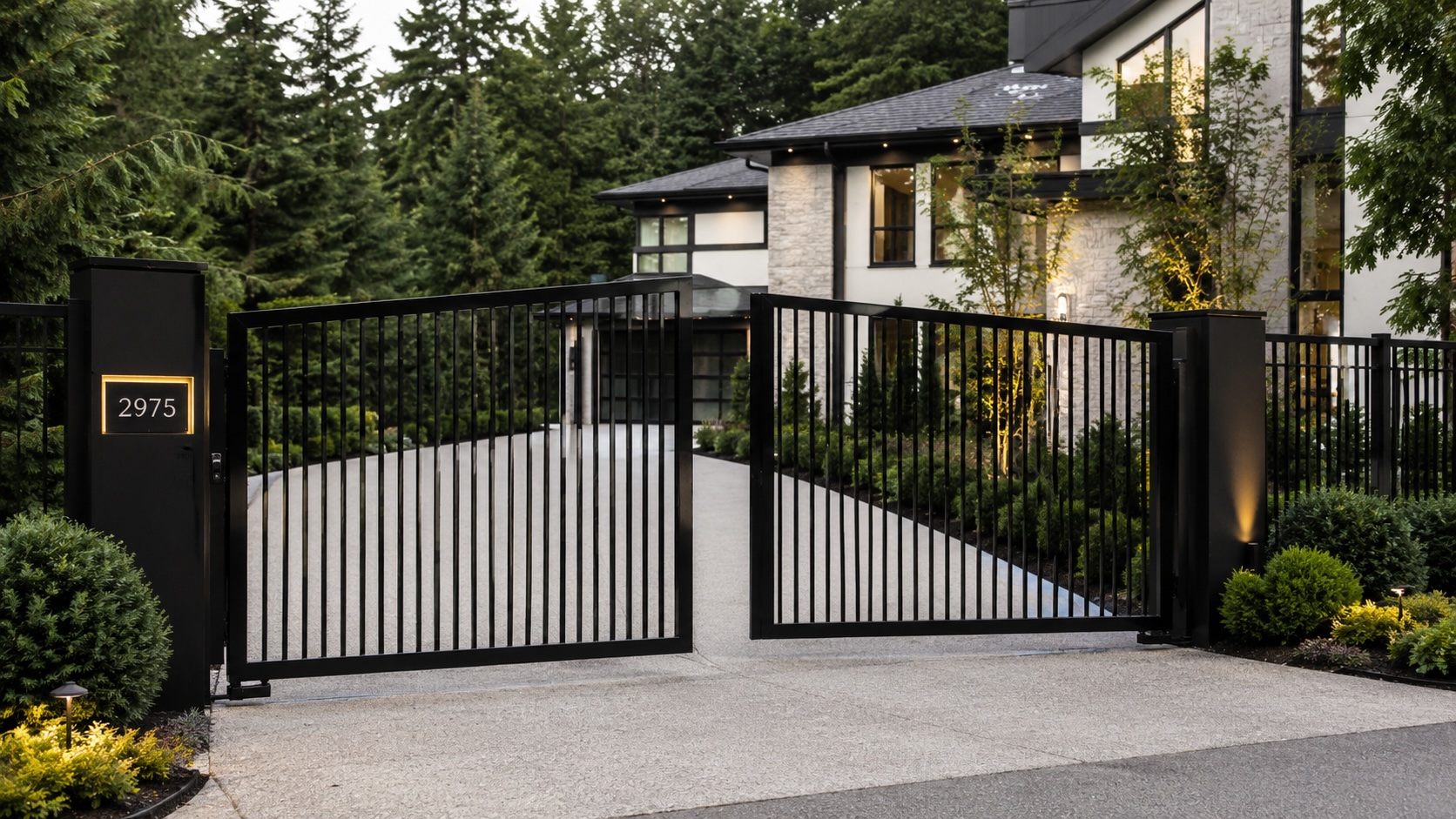
A custom driveway gate can improve privacy, organize vehicle access, and create a clear entrance to a property.
It can also become one of the most visible features of the home.
The best driveway gate is not selected only by appearance. It should be planned around the driveway width, slope, vehicle movement, weather exposure, available space, access needs, and the way the gate connects with the fence or surrounding structure.
These details become more important when the gate will be automated.
Planning them early can prevent common problems such as limited clearance, poor drainage, awkward vehicle positioning, or an access system that does not suit the people using the property.
Begin with the Purpose of the Gate
Before choosing a design, decide what the gate needs to do.
A homeowner may want a driveway gate for one or several reasons:
More privacy from the street
Control over vehicle access
A safer boundary for children or pets
A defined entrance to a large property
Coordination with a new fence
Separation between shared and private areas
Better access management for a multi-family property
A stronger architectural feature at the front of the home
The main purpose affects nearly every decision that follows.
A privacy gate may use solid or closely spaced panels. A gate intended mainly to mark the entrance may use a more open design. A gate serving several households may need a different access system than one used by a single family.
Knowing the priority helps keep the design practical.
Measure the Driveway and Surrounding Area
The opening width is only one of the measurements needed for a custom driveway gate.
The full site should be reviewed, including:
Driveway width
Distance between posts or walls
Available space beside the driveway
Distance between the gate and the street
Driveway slope
Changes in elevation
Curbs and drainage channels
Existing fences or retaining walls
Nearby trees, hedges, and planting
Snow, leaves, or debris collection areas
Space available for motors and hardware
The gate must clear the driveway surface throughout its movement.
Even a minor change in grade can affect a swing gate. A sliding gate needs enough clear space beside the opening to move fully out of the way.
Measurements should also consider the finished posts, hinges, stops, motors, and any gap required for operation.
Decide Between a Swing Gate and a Sliding Gate
The two most common driveway gate systems are swing gates and sliding gates.
Each requires a different property layout.
Swing Driveway Gates
A swing gate opens inward or outward using hinges attached to posts.
It may use one large leaf or two smaller leaves that meet near the centre.
Swing gates can work well when:
The driveway is relatively level
There is enough space for the gate to open
The entrance is set back from the street
The gate design suits the architecture
Side space for a sliding gate is limited
A double swing gate divides the total opening between two leaves. This can reduce the movement area required for each side and may create a balanced entrance.
The opening direction must be considered carefully.
A gate should not swing into public space or create a hazard for vehicles, pedestrians, or neighbouring properties. Site conditions and local requirements may also affect the permitted direction.
Sliding Driveway Gates
A sliding gate moves sideways along the fence line.
It may travel on a ground track or use a cantilever system that is supported above the driveway surface.
Sliding gates can be useful when:
The driveway slopes upward behind the entrance
There is limited space for a gate to swing
Vehicles need to stop close to the gate
Wind exposure could affect large swinging leaves
The entrance is wide
The property has enough room beside the driveway
A sliding gate requires clear space beside the opening.
That space must remain free of parked vehicles, landscaping, bins, storage, and other things that could interfere with movement.
The correct system depends on the site, gate weight, opening width, drainage, and expected use.
Account for Driveway Slope
Slope is one of the most important parts of driveway gate planning.
A swing gate moving over an uphill driveway may strike the surface before it opens fully. Increasing the gap under the gate can help in some cases, but too much space may reduce privacy or allow pets to pass underneath.
Special hinge arrangements may sometimes address a change in grade, though they can affect how the gate moves and looks.
Sliding gates can suit sloped entrances when there is adequate room beside the driveway. However, the direction and amount of slope still need to be measured.
The gate should be designed around the actual grade rather than adjusted after fabrication.
Choose the Right Gate Width
The gate opening should allow vehicles to enter and exit comfortably.
The required width depends on:
The width of the driveway
The angle of approach
The type of vehicles using the property
Whether trailers or service vehicles need access
Nearby walls, posts, or landscaping
The turning space inside and outside the property
A driveway may appear wide enough when approached straight on but feel restricted when vehicles must turn from a narrow road.
Large pickup trucks, delivery vehicles, moving trucks, boats, and trailers require more clearance than a small passenger vehicle.
The entrance should be evaluated from the driver’s path, not only from a tape measurement across the opening.
Select a Material for the Gate
Custom driveway gates are commonly fabricated from aluminum, steel, or a combination of metal and other materials.
Aluminum Gates
Aluminum is lighter than steel and does not rust in the same way.
It can be a suitable choice for many residential gates, particularly where reduced weight and lower maintenance are important.
Aluminum gates can be:
Powder coated
Fabricated with open pickets
Built with privacy panels
Combined with composite or wood-look inserts
Designed to coordinate with aluminum fencing
The lighter weight can also reduce the load placed on hinges, rollers, and automation equipment.
Steel Gates
Steel provides strength and can be used for detailed or substantial gate designs.
It is often chosen for larger frames, decorative work, or properties where a heavier appearance suits the architecture.
Steel needs a suitable finish and ongoing care, particularly in wet or coastal environments.
Fabrication, drainage, welding, coatings, and exposed edges all affect how the gate performs over time.
Mixed-Material Gates
Metal frames can be combined with:
Wood
Composite boards
Perforated panels
Decorative screens
Glass
Horizontal slats
Custom metal inserts
Mixed materials allow the gate to provide privacy while connecting with other elements of the property.
The materials should be selected with movement, moisture, weight, and maintenance in mind.
Choose the Level of Privacy
A driveway gate can range from fully open to nearly solid.
An open gate uses pickets, bars, or spaced slats. It keeps the entrance visible and usually allows more wind to pass through.
A privacy gate uses solid panels or tightly spaced elements to reduce visibility.
A semi-private gate sits between the two.
When choosing the level of privacy, consider:
How close the home is to the street
Whether the entrance needs passive visibility
Wind exposure
The weight of the gate
The appearance of the fence
Landscaping around the entrance
Access for emergency or service personnel
Whether pets or children use the yard
A solid gate creates more wind resistance than an open design. This can affect the frame, posts, hinges, track, and motor requirements.
Match the Gate to the Fence and Home
The gate should feel connected to the rest of the property.
It does not have to match every part exactly, but it should relate to nearby materials and lines.
Useful reference points include:
Window frames
Garage doors
Exterior lighting
House numbers
Fences
Railings
Front stairs
Entry doors
Canopies
Architectural screens
Exterior cladding
A home with black-framed windows may suit a black powder-coated gate. A property with cedar details may use a metal frame with wood or wood-look inserts.
Horizontal lines can complement some homes, while vertical pickets may suit others.
The gate posts, pedestrian gate, fence, and driveway entrance should be considered as one composition.
Plan Gate Posts and Foundations
A driveway gate places ongoing force on its posts and foundations.
Swing gates transfer weight through hinges. Sliding gates rely on tracks, rollers, guide posts, or cantilever hardware.
The support system should be designed for:
Gate weight
Gate width
Wind load
Repeated movement
Ground conditions
Frost and drainage
Automation equipment
Impact and vibration
Existing fence posts may not be adequate for a new driveway gate.
Even when a post appears solid, it may not have the size, reinforcement, or foundation required to support a moving gate.
The gate, posts, footings, and hardware should be planned together.
Consider Manual or Automatic Operation
A manual gate may suit an entrance that is used occasionally.
For a gate opened several times each day, automation can make access easier.
Automatic gate planning includes more than selecting a motor.
The system may need:
Gate operators
Control panels
Power supply
Backup power
Safety sensors
Vehicle detection
Limit switches
Manual release
Remote controls
Keypads or intercoms
Weather-protected enclosures
Conduit and wiring routes
The gate’s size, weight, opening style, and daily cycle count affect the equipment selection.
Automation should be included in the design from the beginning. Adding it later may require changes to the frame, posts, foundations, power, or surrounding surface.
Choose an Access Control System
The gate needs a practical way to identify people and allow entry.
Available options may include:
Remote controls
Keypads
Telephone entry
Video intercoms
Smartphone access
Proximity cards
Vehicle tags
Timed access codes
Exit loops
Push buttons
Property management controls
A single-family home may need only remotes, a keypad, and an intercom.
A strata or shared property may need user management, temporary codes, activity records, and separate access levels.
Visitor access should also be considered.
Drivers need enough room to stop safely while using a keypad or intercom without blocking the road or standing too close to the moving gate.
Include a Pedestrian Gate Where Needed
A driveway gate should not always be the only entrance.
Opening a large gate every time someone walks onto the property can be inconvenient and can increase wear on the system.
A separate pedestrian gate may provide:
Easier daily entry
Access for deliveries
A safer walking route
Independent keypad or intercom access
A clear connection to the front path
Reduced use of the driveway gate
The pedestrian gate can match the driveway gate while using different hardware and access controls.
Its location should connect naturally with the walkway rather than directing people into the vehicle path.
Plan for Deliveries and Service Access
Modern homes receive frequent deliveries.
Before finalizing the gate, decide how couriers, tradespeople, gardeners, cleaners, waste services, and emergency personnel will access the property.
Possible solutions include:
Temporary keypad codes
Intercom release
Package boxes outside the gate
A separate pedestrian entrance
Scheduled access
Remote opening through a mobile system
A safe turnaround area inside the property
The access method should be easy for the homeowner to manage without weakening the purpose of the gate.
Consider Power and Communication Early
Automatic gates require power, and many access systems require communication wiring or a network connection.
Planning may involve:
Underground conduit
Electrical service
Low-voltage wiring
Internet or cellular connectivity
Intercom cabling
Vehicle loop wiring
Lighting connections
Backup battery placement
Running conduit before paving, landscaping, or constructing walls is usually easier than adding it later.
Future needs can also be considered by installing spare conduit for upgrades.
Address Drainage and Debris
Water and debris can interfere with driveway gate systems.
Sliding gate tracks may collect:
Leaves
Gravel
Mud
Snow
Ice
Small branches
Drainage should direct water away from motors, control boxes, posts, and foundations.
Ground tracks should be positioned and installed in a way that supports cleaning and reduces standing water.
Cantilever sliding gates avoid a track across the driveway, though they require more side space and a suitable support system.
Swing gate motors and underground equipment also need protection from moisture.
Think About Lighting and Visibility
The entrance should remain visible at night.
Lighting can help drivers see:
The driveway opening
Gate edges
Keypads
Intercoms
Pedestrian routes
Posts and walls
House numbers
Lighting can be integrated into posts, nearby walls, landscaping, or overhead structures.
The fixtures should not interfere with gate movement or create glare for drivers.
A coordinated entrance may include gate lighting, address signage, and access controls within the same post or architectural feature.
Review Safety Features
An automatic gate is a moving piece of equipment and should include suitable safety measures.
Depending on the system, these may involve:
Photo-eye sensors
Safety edges
Vehicle loops
Obstruction detection
Warning signs
Controlled closing speed
Manual release
Emergency access
Safe gaps around moving parts
Children, pets, visitors, cyclists, and vehicles may all pass through the entrance.
The gate layout and controls should account for expected and unexpected movement around the system.
Prepare for Coastal and Wet Conditions
Metro Vancouver gates are exposed to rain, moisture, leaves, and changing temperatures.
Properties near the ocean may also experience salt exposure.
Material and finish choices should consider:
Corrosion resistance
Powder-coating preparation
Drainage inside metal sections
Stainless or protected hardware
Sealed electrical enclosures
Motor placement
Access for maintenance
Water movement around foundations
A gate that looks good on installation day still needs to operate through wet seasons.
Regular cleaning, inspection, lubrication, and adjustment can help preserve its movement and finish.
Avoid Common Driveway Gate Planning Mistakes
Several issues appear when gates are selected without a full site review.
Common mistakes include:
Choosing a swing gate for a steep driveway
Forgetting to leave side space for a sliding gate
Making the entrance too narrow for turning vehicles
Using fence posts that cannot support the gate
Adding automation after fabrication
Failing to plan power and conduit
Ignoring drainage around the motor or track
Selecting a solid gate without considering wind
Leaving no practical visitor access
Forgetting a pedestrian entrance
Placing the keypad where drivers cannot reach it safely
Allowing landscaping to grow into the gate path
Most of these problems can be avoided through measurement and coordination before fabrication begins.
What Happens During a Custom Gate Project?
A custom driveway gate project commonly includes:
Reviewing the property and access needs
Measuring the driveway and available movement area
Selecting the gate type
Developing the design and material plan
Confirming posts, foundations, and mounting
Coordinating electrical and access controls
Fabricating the gate
Applying the selected finish
Installing the gate and hardware
Setting up automation and safety devices
Testing movement and access
Reviewing operation and maintenance
Projects involving paving, masonry, fencing, electrical work, landscaping, or intercom systems may require coordination between several trades.
A Gate Designed Around the Property
A custom driveway gate should make daily access easier while supporting the appearance and boundaries of the property.
The right gate depends on much more than a preferred photo or design style.
Driveway width, slope, opening space, vehicle movement, wind, drainage, access controls, and supporting structures all influence the final system.
Westline Railing designs and fabricates custom gates, fences, railings, handrails, glass features, and architectural metalwork for homes and properties across Metro Vancouver and surrounding communities.
Planning the full entrance as one system helps the gate operate properly and feel like a natural part of the property.
Frequently Asked Questions
Is a sliding gate better than a swing gate?
Neither system is always better. Sliding gates can work well on sloped driveways or where swing space is limited. Swing gates may suit level driveways with enough space behind the entrance.
How wide should a driveway gate be?
The gate should accommodate the driveway, vehicle size, and angle of approach. Properties that receive trucks, trailers, or service vehicles may need more clearance.
Can an existing manual gate be automated?
Some manual gates can be automated, but the frame, posts, hinges, movement, foundations, and electrical access must be reviewed first. A gate not designed for automation may need modification or replacement.
Do automatic gates work during a power outage?
Many systems can include battery backup or a manual release. The appropriate backup method depends on the motor and access requirements.
Can a driveway gate match an existing fence?
Yes. A custom gate can use matching metal profiles, spacing, panels, colours, or inserts. The existing fence condition and support posts should also be reviewed.
Are aluminum gates suitable for coastal properties?
Aluminum can be a suitable option because it does not rust in the same way as steel. The finish, hardware, fabrication details, and maintenance still matter in coastal conditions.
Should I include a separate pedestrian gate?
A pedestrian gate is useful when people regularly enter on foot. It can reduce unnecessary use of the driveway gate and create a safer route away from vehicles.
What access system is best for a residential gate?
Common residential options include remotes, keypads, intercoms, and smartphone controls. The right setup depends on the number of users, visitor access, internet availability, and desired level of control.
Plan a Gate That Fits Your Property
Thinking about a custom driveway gate, pedestrian gate, access system, or matching fence?
Westline Railing can review the entrance, discuss opening styles, and develop a gate around the way your property is used.