
Choosing between aluminum and composite fencing usually comes down to privacy, maintenance, appearance, weather exposure, and how you want the fence to relate to the rest of the property. Both materials can work well for residential applications, but they solve different problems.
Aluminum fencing is often chosen for clean lines, durability, and relatively low maintenance. Composite fencing is especially appealing when privacy and a more solid visual barrier are priorities.
The better option depends on what you want the fence to do, not simply which material sounds more durable.
What Is Aluminum Fencing Best For?
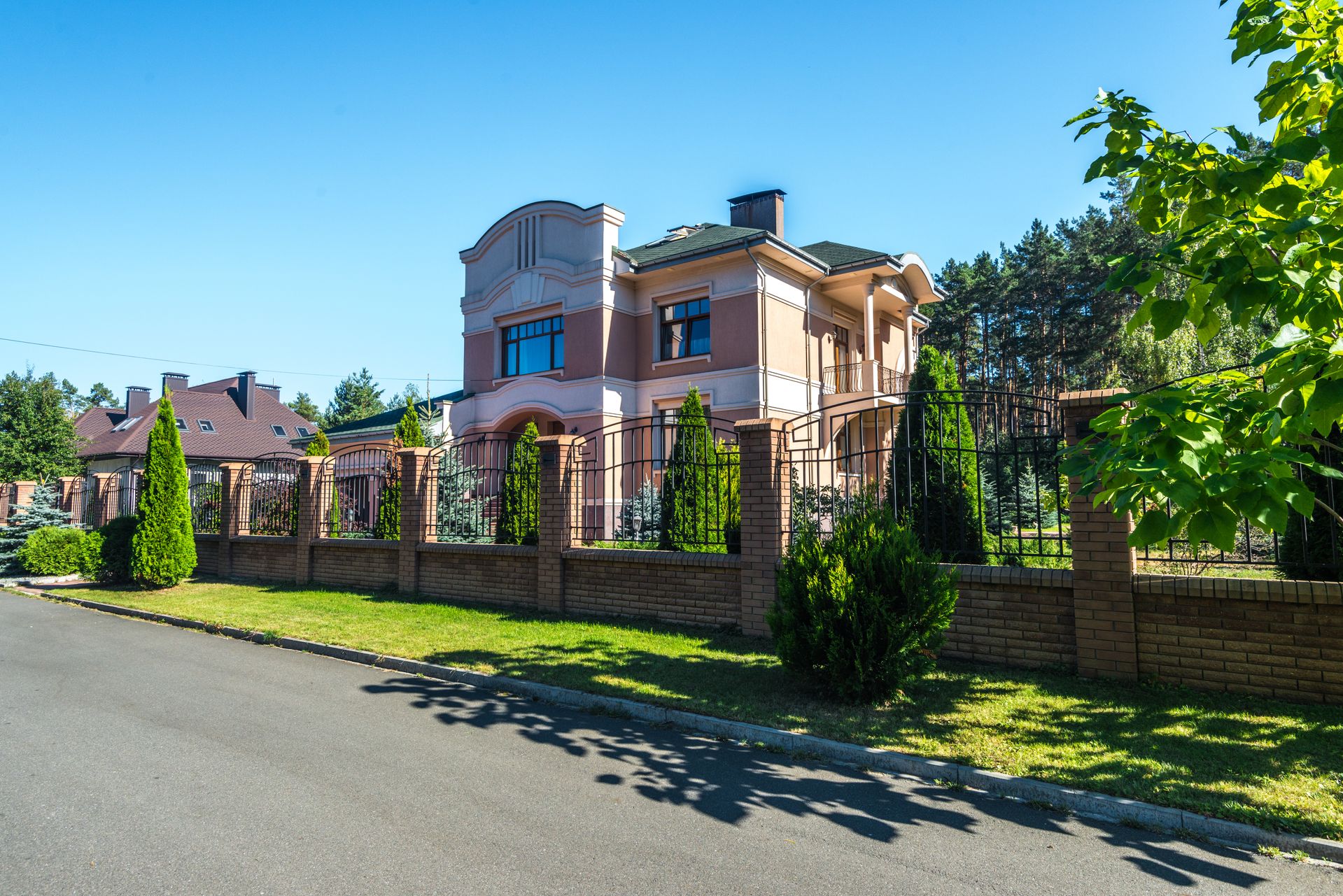
Aluminum fencing works well when homeowners want a defined property edge without necessarily creating a completely solid barrier.
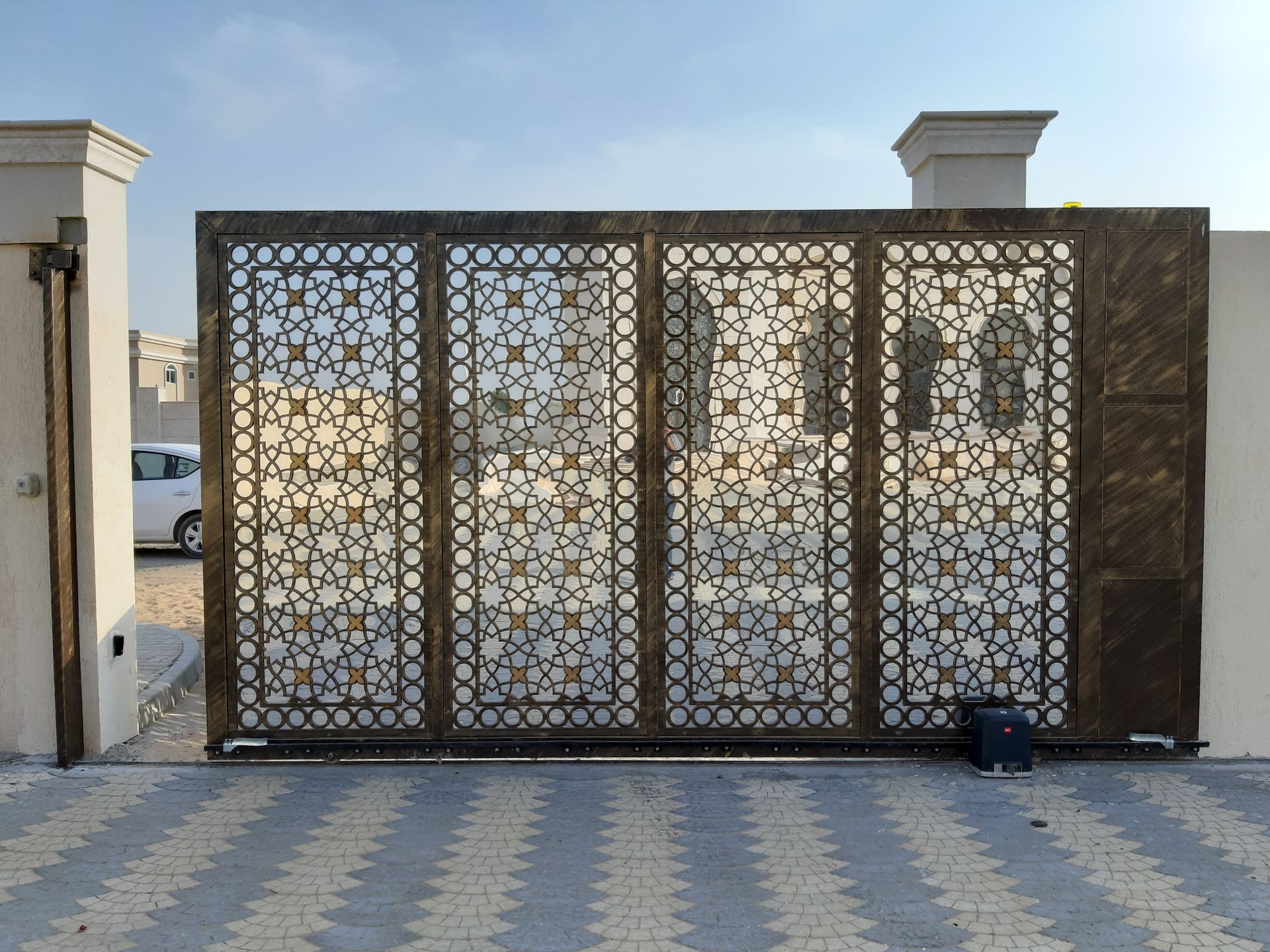
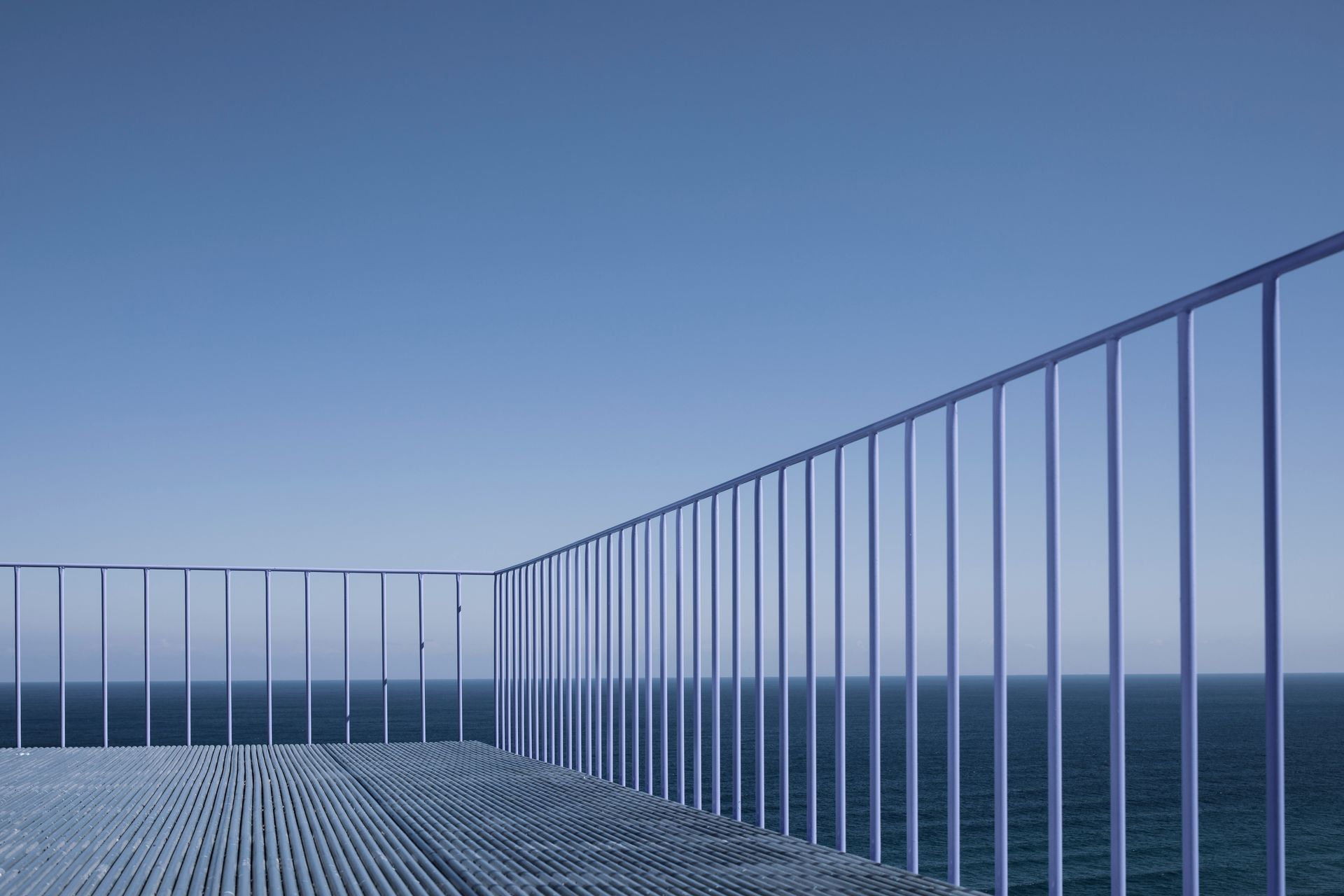
Depending on the design, aluminum fences can use vertical pickets, horizontal elements, decorative details, or more modern profiles. The material is lightweight compared with steel and naturally resistant to rust, which can be useful in the wet conditions common throughout coastal British Columbia.
Common reasons to consider aluminum include:
- Low routine maintenance
- Good resistance to corrosion
- Clean architectural lines
- Multiple finish possibilities
- Coordination with gates and railings
- A less visually heavy boundary
Aluminum can be especially useful when visibility through or beyond the fence is desirable.
What Is Composite Fencing Best For?
Composite fencing is often selected when privacy is a central goal.
The panels can create a more solid visual barrier between neighbouring properties, patios, yards, or other outdoor areas. This makes composite particularly relevant where homeowners want to reduce direct sightlines without relying heavily on landscaping.
Composite materials can also provide the warmer appearance associated with wood while avoiding some of the maintenance routines that natural wood may require.
Westline's custom fence options are worth considering when a property needs a fence layout that combines privacy, metal framing, gates, or other project-specific details.
Which Fence Provides More Privacy?
Composite generally has the advantage when full privacy is the primary requirement.
Solid or closely spaced composite panels can block direct views and create a more enclosed backyard or patio environment. Aluminum fencing is often more open, although the exact level of privacy depends on the design.
That does not mean every boundary should be completely closed.
An open aluminum fence may make a smaller yard feel larger. It can also preserve views, allow more light through, and create a visual connection with landscaping.
Before choosing, consider which areas genuinely need privacy. A custom design may use more screening near seating areas while keeping other sections visually open.
How Do They Handle Coastal BC Weather?
Weather matters when selecting any exterior fence.
Aluminum does not rust in the same way ordinary steel does. A suitable powder-coated finish can provide additional protection while giving the fence its colour and surface appearance.
Composite does not behave like natural wood, but exterior exposure can still affect its appearance over time. Product characteristics, installation details, drainage, temperature changes, and sun exposure should all be considered.
Neither material eliminates the need for good installation.
Posts, footings, fasteners, gates, drainage, and surrounding soil conditions can influence how the fence performs. Leaves and organic debris should not be allowed to accumulate around the base unnecessarily, particularly in damp areas.
Which Fence Requires Less Maintenance?
Both can be relatively easy to maintain, although the tasks are different.
Aluminum fencing typically needs occasional washing to remove dirt, pollen, salt residue, and environmental buildup. The finish should also be checked periodically for damage.
Composite fencing can also be washed as needed. Solid panels may show surface dirt, algae, or organic residue differently depending on their colour and texture.
The important point is that "low maintenance" does not mean "no maintenance."
Keeping either system clean and inspecting posts, connections, and gates occasionally can help identify small changes before they become larger problems.
Appearance: Open Metal or Solid Panels?
This may be the biggest design difference.
Aluminum can feel lighter because spaces between components allow the landscape to remain visible. Dark powder-coated aluminum can also coordinate easily with window frames, railings, driveway gates, and other exterior metal details.
Composite creates more visual mass. Depending on the finish, it can introduce warmer tones and provide a backdrop for landscaping or outdoor furniture.
Homeowners can browse Westline's project gallery when thinking about how fences, gates, railings, and exterior materials should work together.
The fence should be considered from both sides. What looks attractive from the street should also make sense when viewed from inside the yard.
What About Sloped Properties?
Sloped sites require more planning regardless of the material.
Fence sections may need to step with the grade or follow another layout suited to the site. Post heights, panel dimensions, retaining conditions, and transitions between elevations all affect the final appearance.
Solid composite panels can make changes in grade more visually noticeable because each section creates a defined block. Aluminum's open construction may make some transitions feel lighter, depending on the design.
Accurate site measurements are particularly important when gates are being incorporated into a sloped fence line.
Can Aluminum and Composite Be Combined?
Yes, and combining materials can sometimes provide a better result than choosing one material for the entire property.
For example, composite panels may provide privacy along a neighbouring property line, while aluminum sections maintain openness near a front yard or view.
Metal framing can also be incorporated into custom fence designs to create contrast or coordinate the fence with nearby gates and railings.
The key is consistency. Repeating colours, proportions, horizontal lines, or other design details can help different materials feel intentional rather than pieced together.
Which Material Costs More?
There is no reliable universal answer.
Fence cost depends on much more than the primary material. Total length, fence height, post requirements, grade changes, gates, site access, demolition, fabrication, finish, and installation conditions can all influence a quote.
A simple aluminum fence and a full-privacy composite system are also solving different problems, so comparing them only by price can be misleading.
When requesting quotes, compare systems designed for the same property and intended function.
How to Choose Between Aluminum and Composite
Choose aluminum when you want a durable, open-looking fence with relatively simple maintenance and strong coordination with other exterior metalwork.
Choose composite when privacy is more important and you prefer a solid panel appearance.
For some properties, the best answer may be a combination of both.
Before finalizing the design, review property conditions, grade, gates, neighbouring uses, drainage, and any applicable municipal or project-specific requirements. Fence height, placement, and other requirements can vary, so they should be verified for the individual property rather than assumed from general guidance.
If you are planning a new fence and want to compare materials for your property, you can request an estimate from Westline with photos, approximate measurements, and information about your privacy and design priorities.