
Choosing between aluminum and steel railings usually comes down to durability, maintenance, weight, appearance, fabrication needs, and site conditions. Both materials can work well for exterior decks, balconies, stairs, and entrances, but they do not behave the same way over time.
For homeowners comparing exterior aluminum railings with steel railings, the best choice depends on the design, exposure, mounting conditions, and how much maintenance you want to take on.
Aluminum Railings: Lightweight and Low Maintenance
Aluminum is popular for exterior railing systems because it is lightweight, corrosion-resistant, and well suited to powder-coated finishes. It does not rust in the same way ordinary steel can, which makes it appealing for homes in Metro Vancouver and other coastal areas.
Its lighter weight can also make handling and installation easier in some situations, especially on decks, balconies, and upper levels where access matters.
Common reasons homeowners choose aluminum include:
- Good resistance to rust
- Relatively low maintenance
- A range of powder-coated finishes
- Lighter weight than steel
- Compatibility with modern exterior design
Steel Railings: Strength and Fabrication Flexibility
Steel is valued for its strength and fabrication possibilities. It can be shaped, welded, and detailed in ways that work well for custom railing designs, stair systems, and architectural metalwork.
Because steel is heavier than aluminum, it can create a more substantial feel. That may suit homes where the railing is intended to become a visible architectural feature rather than blend into the background.
Steel can be a strong choice for custom fabricated designs, stairs, decorative metalwork, heavier sections, and distinctive welded details. Homeowners interested in a tailored metal system can also explore Westline's custom metalwork alongside railing options.
Which Material Handles Coastal Weather Better?
For coastal British Columbia, corrosion resistance is an important consideration.
Aluminum naturally forms a protective oxide layer and does not develop red rust like steel. When paired with a suitable powder-coated finish and appropriate hardware, it can be a practical material for rainy and coastal environments.
Steel requires more attention to surface protection. Protective coatings, finishes, detailing, and maintenance all matter because exposed steel can corrode when moisture reaches the metal.
Properties near salt air or heavy rain may place greater demands on any exterior railing system. Hardware, fasteners, mounting points, and drainage should also be reviewed rather than focusing only on the main material.
Which Requires Less Maintenance?
Aluminum generally has the advantage if low maintenance is a priority.
Routine care usually involves washing away dirt, salt residue, pollen, and other buildup. Powder-coated surfaces should be cleaned with products that will not damage the finish.
Steel railings may require closer attention over time, particularly if the protective coating becomes chipped, scratched, or worn. Areas where moisture collects should be monitored so small finish failures do not develop into larger corrosion problems.
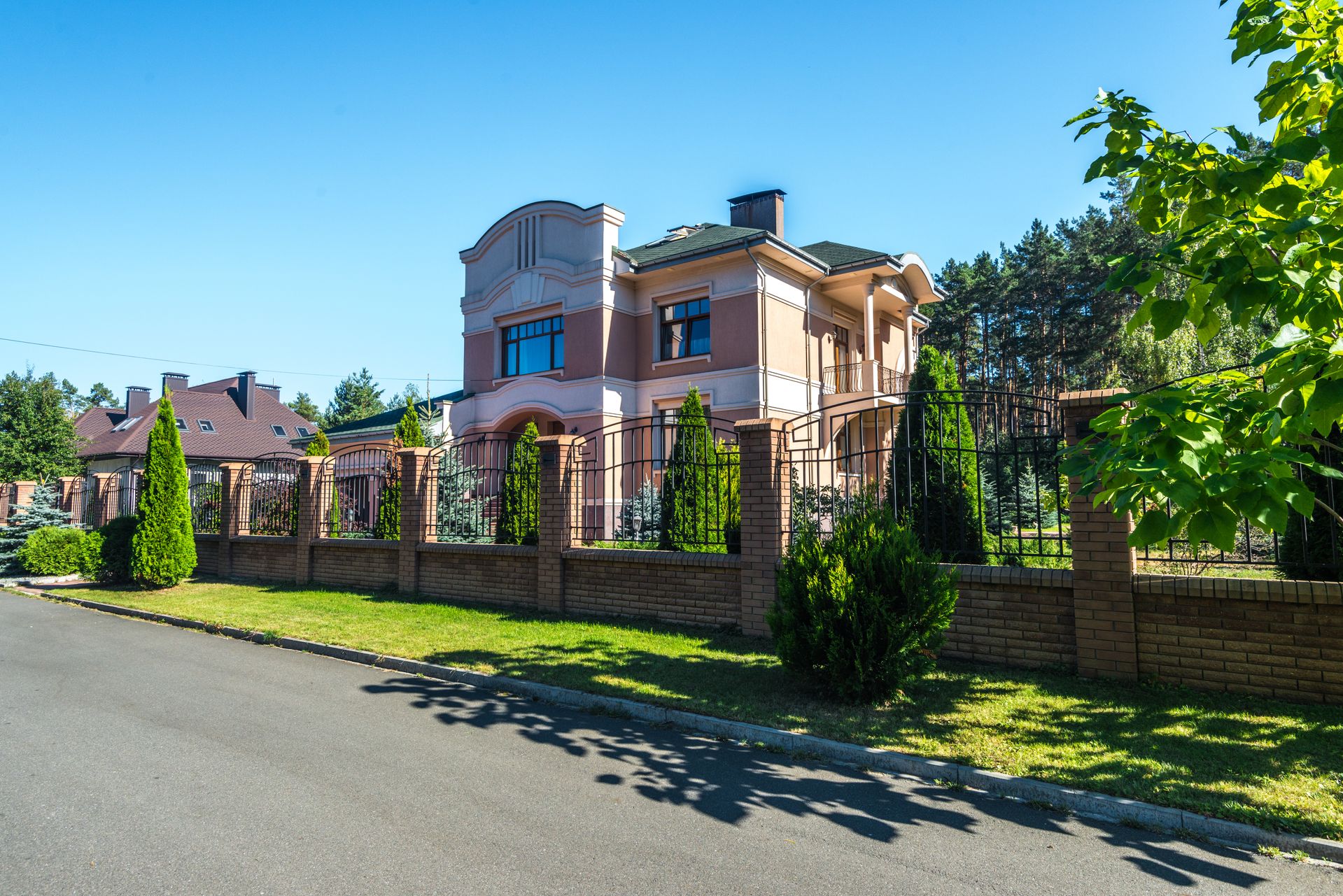
For examples of how different materials appear in finished settings, Westline's project gallery can help homeowners compare railing styles in context.
Does Steel Always Feel More Solid?
Steel is stronger and heavier by material characteristics, but the finished railing should be judged as a complete system.
Post dimensions, spacing, connections, brackets, welds, anchors, and the supporting structure all influence how the railing performs.
A properly designed aluminum system can still feel firm. A poorly detailed steel system is not automatically better simply because the material is heavier.
This is why the railing layout and mounting conditions matter more than choosing based on material reputation alone.
Appearance and Design Differences
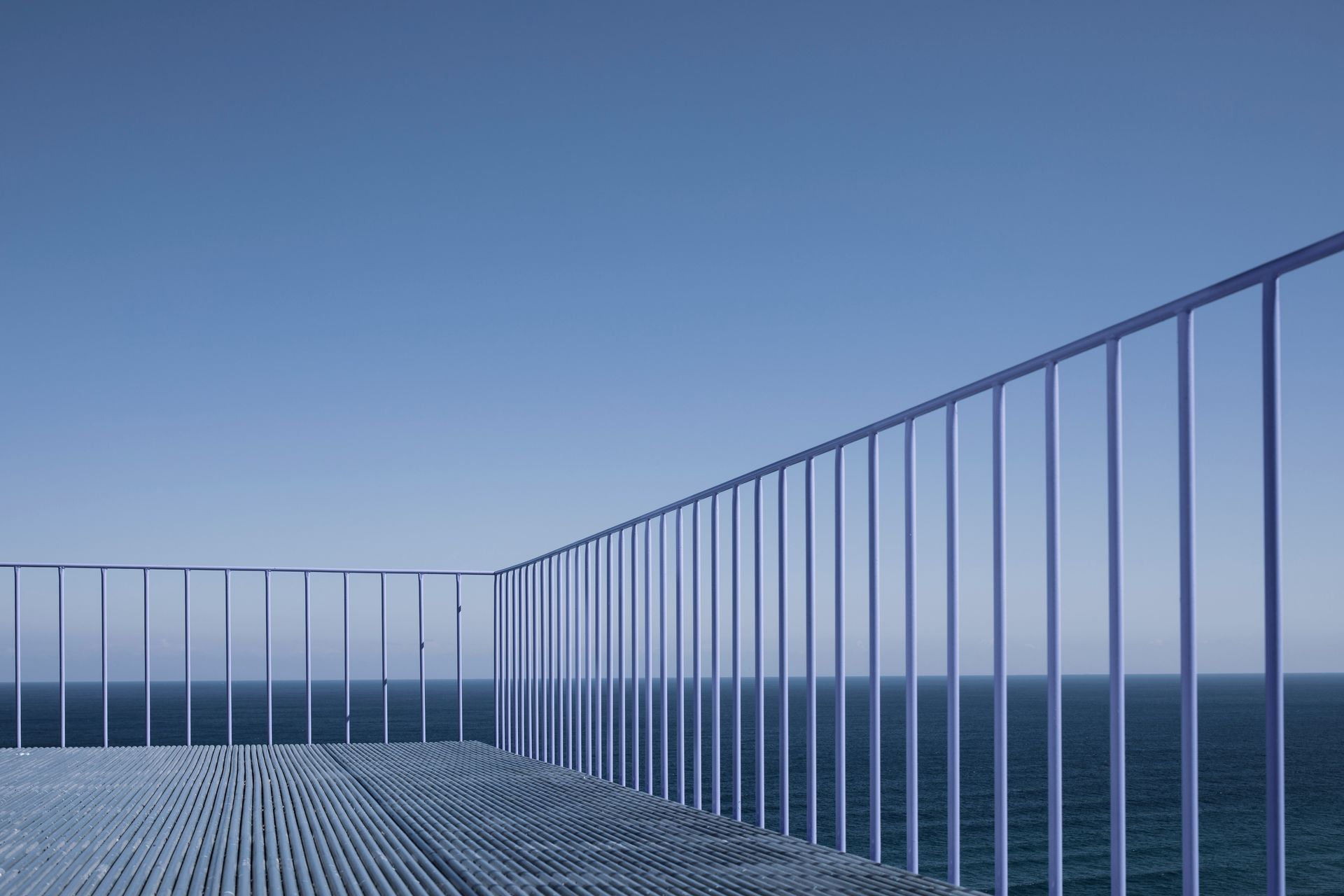
Aluminum railings often have a crisp, uniform appearance, especially when built from clean profiles with a powder-coated finish. They can work well with contemporary homes, simple deck lines, and exterior glass.
Steel offers more freedom when a project calls for custom shapes, ornamental details, welded transitions, or a heavier architectural look.
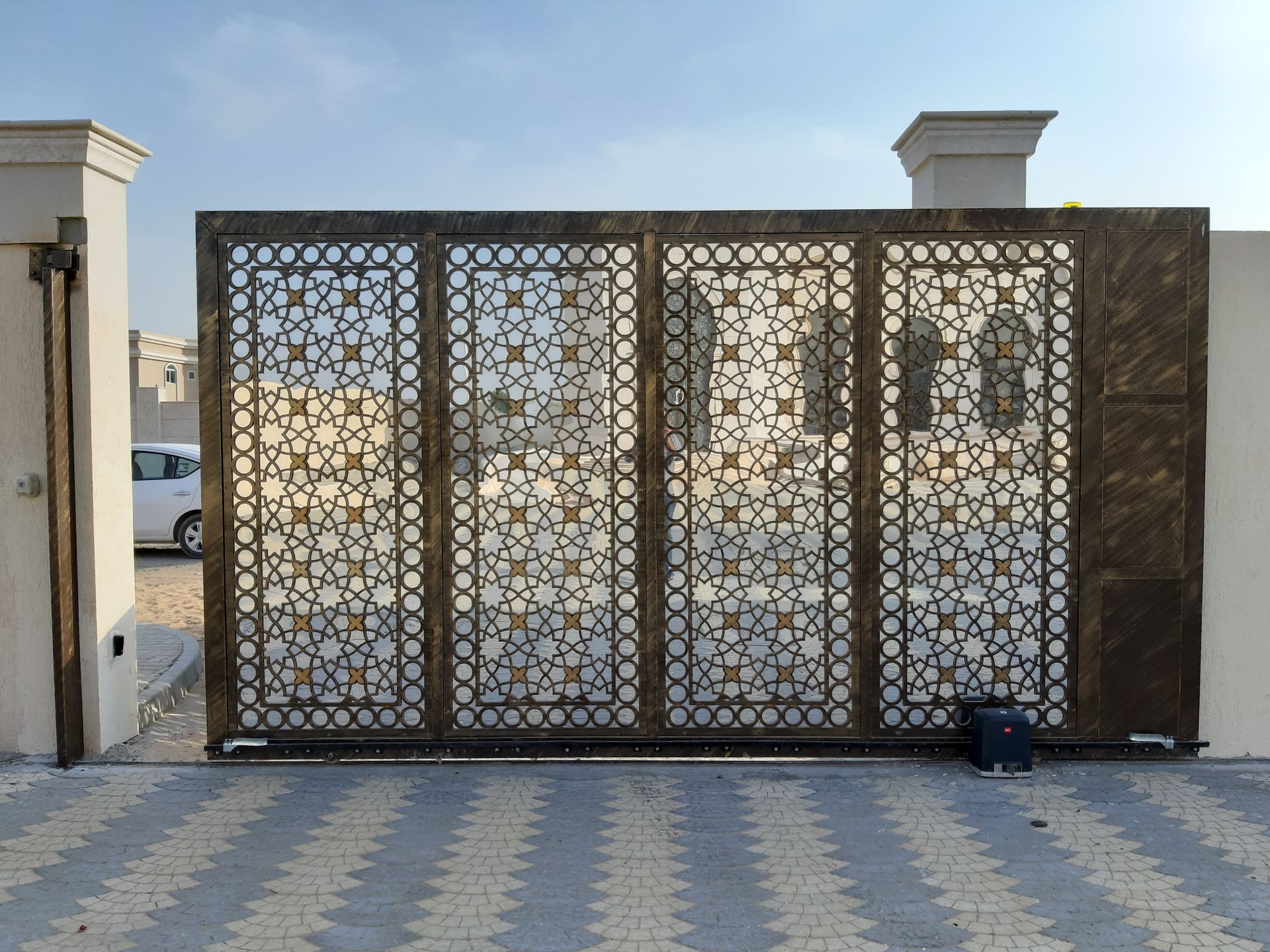
If the railing needs to coordinate with a gate, staircase, fence, or canopy, choosing materials as part of a wider design plan can create a more consistent result.
What About Cost?
There is no reliable rule that aluminum is always cheaper or steel is always more expensive.
The final cost depends on the specific project, including railing length, profile sizes, fabrication complexity, stairs, corners, finish requirements, mounting conditions, site access, and custom details.
A simple steel railing can cost less than a highly customized aluminum design, while a straightforward aluminum system may be more economical than complex fabricated steelwork.
The useful comparison is between two systems designed for the same property and scope.
Which Material Is Better for Decks and Balconies?
For many residential decks and balconies, aluminum is attractive because of its corrosion resistance, lighter weight, and lower maintenance needs.
Steel may make more sense when the design calls for custom fabrication, heavier proportions, or details that are easier to achieve through welded construction.
The surrounding architecture should guide the decision. A minimalist home with glass and narrow profiles may favour aluminum, while a property with custom stairs or bold metal features may benefit from steel.
Westline's broader railing and fabrication services can help homeowners compare both materials alongside glass, cable, handrail, and other system choices.
Questions to Ask Before Choosing
Before deciding, consider:
- Is the railing exposed to salt air or heavy rain?
- How much maintenance are you comfortable doing?
- Do you want a lighter or heavier visual appearance?
- Does the project require custom welded details?
- What surface will the railing mount to?
- Does the railing need to coordinate with other metalwork?
Applicable building, structural, safety, engineering, and municipal requirements may vary by project, so those details should be verified for the specific property.
Aluminum vs Steel: The Practical Choice
Choose aluminum when corrosion resistance, lower maintenance, and lighter weight are major priorities.
Choose steel when strength, custom fabrication, and a more substantial architectural feel are more important.
Neither material is universally better. The right railing depends on the property, exposure, design, and supporting conditions.
If you are comparing aluminum and steel for a deck, balcony, stair, or entrance, you can request an estimate from Westline with photos, measurements, or drawings. Reviewing the actual site makes it easier to compare suitable railing systems rather than choosing from material labels alone.