
Choosing between frameless and framed glass railings is mostly a question of appearance, structure, maintenance, site conditions, and budget priorities. Both systems provide clear sightlines and a modern finish, but they use glass and supporting hardware differently.
A frameless glass railing minimizes visible posts and framing, which can make a deck, balcony, or stair area feel more open. A framed glass railing uses posts, rails, or other structural elements around the panels, creating a more defined edge.
Neither system is automatically better. The right choice depends on how much visual openness you want, how the railing will be mounted, the surrounding architecture, and what makes sense for the property.
What Is a Frameless Glass Railing?
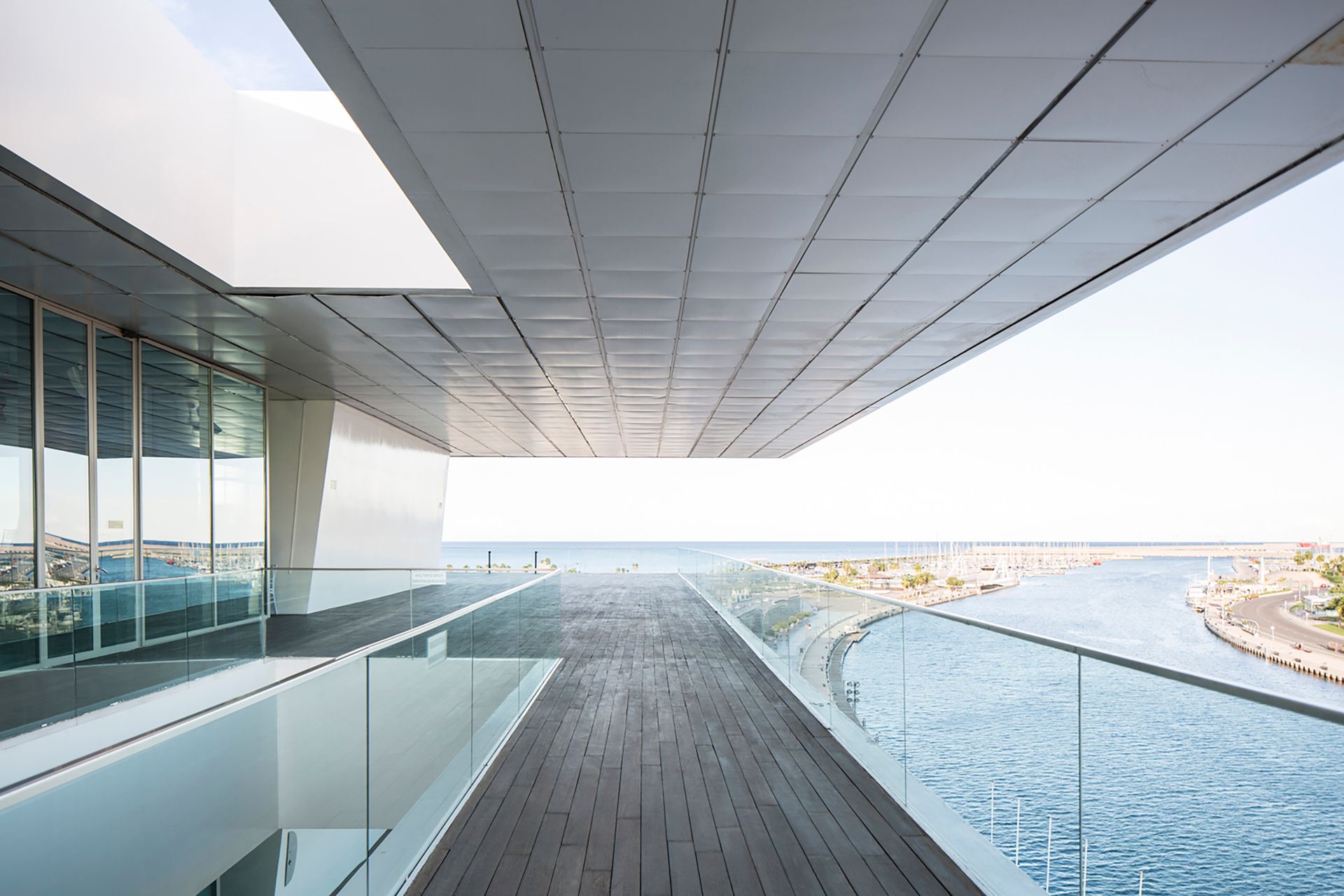
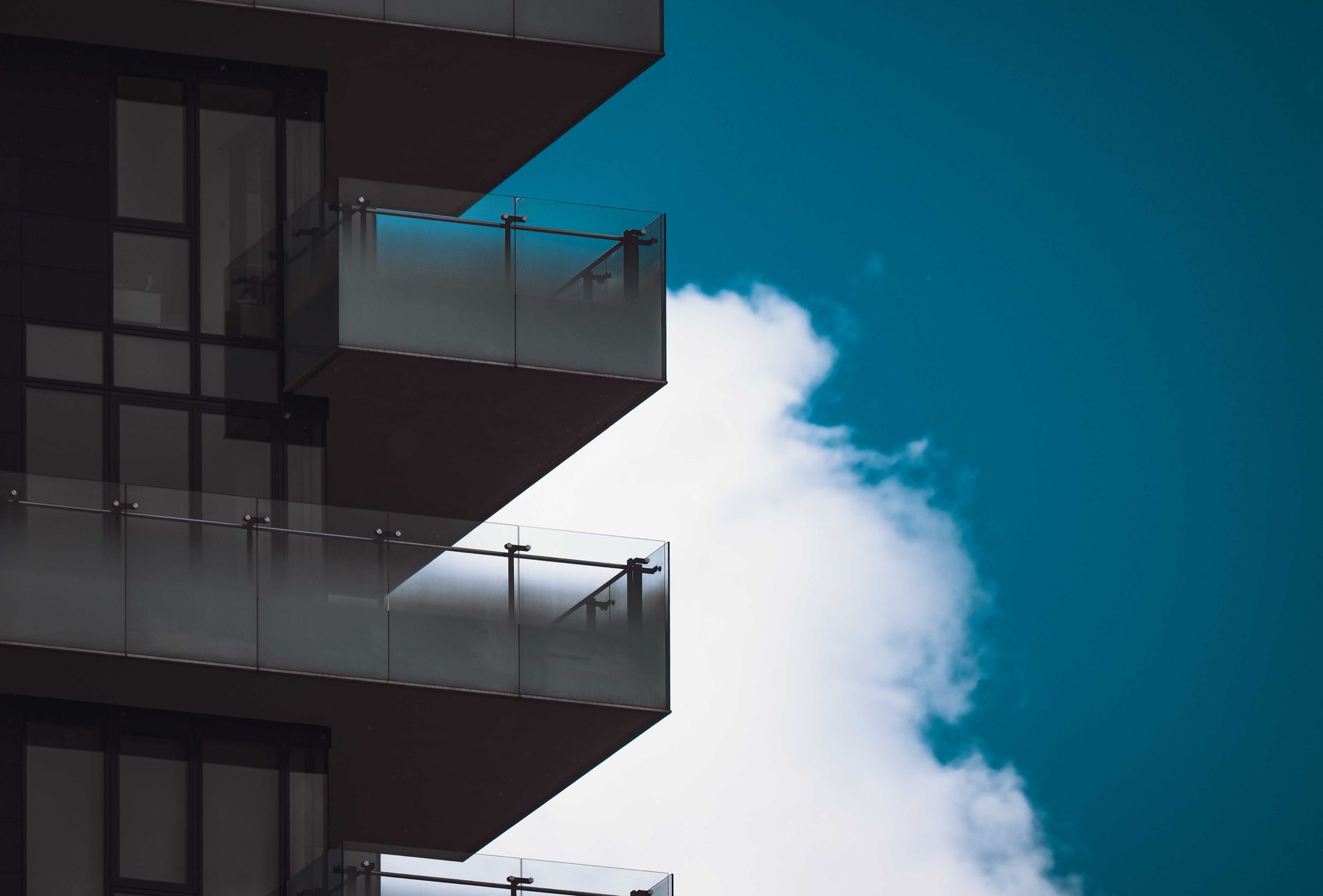
Frameless glass railings are designed to reduce visible structure around the glass. Depending on the system, panels may be supported by a base shoe, spigots, standoffs, or other hardware rather than a traditional series of posts and rails.
The main appeal is visual simplicity. Because there are fewer interruptions between panels, frameless glass can work especially well on properties where the view is a major part of the space.
Homeowners often consider frameless systems for:
- View-facing decks
- Balconies
- Rooftop areas
- Interior staircases
- Modern entrances
What Is a Framed Glass Railing?
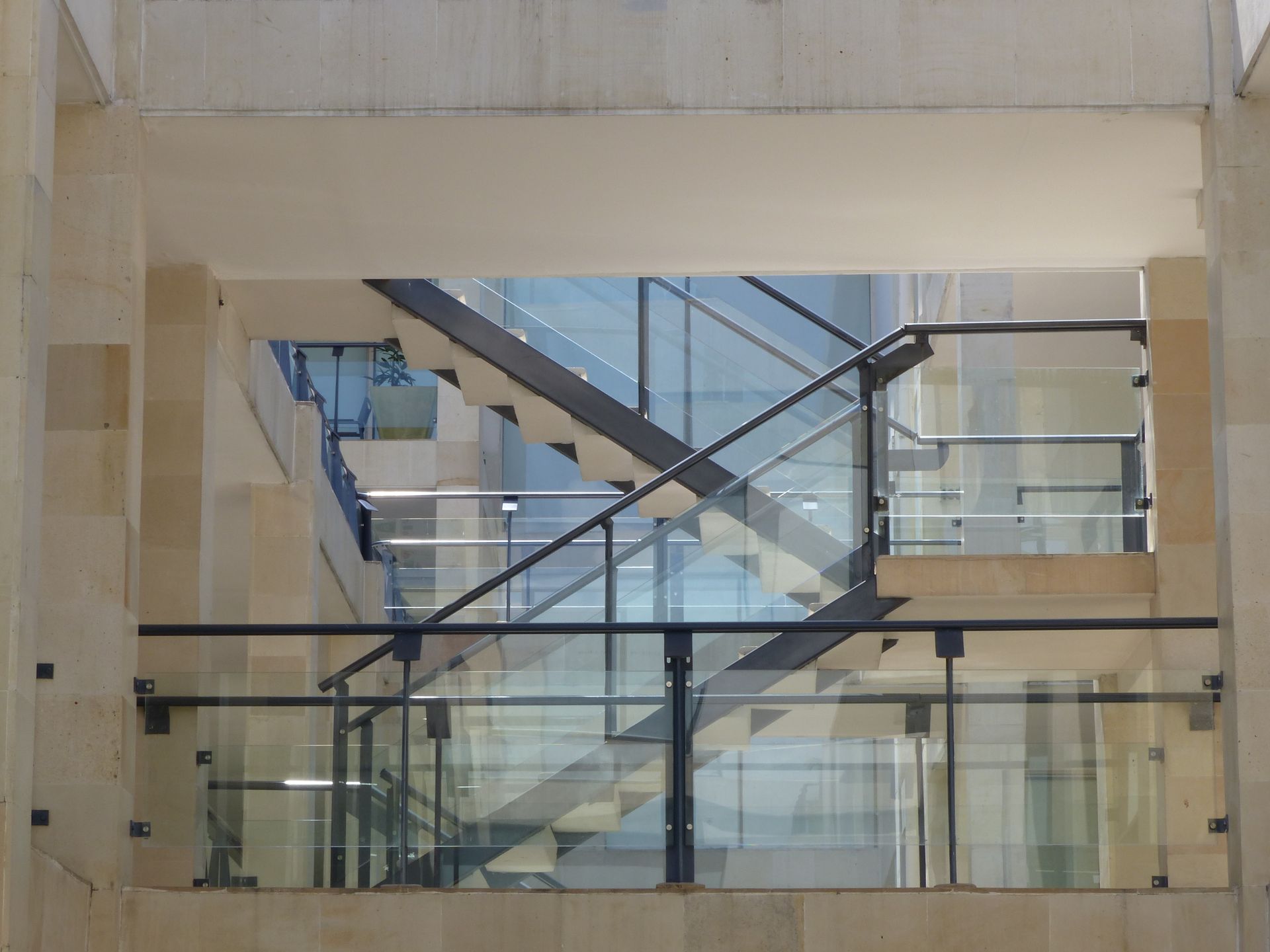
Framed glass railings combine glass panels with a visible supporting framework. Posts may separate individual panels, and the system can include top rails, bottom rails, or other structural components depending on the design.
The glass still provides much more visual openness than many solid or picket-style railing systems, but the frame becomes part of the appearance.
Framed systems can be a good fit when homeowners want glass without making the railing almost disappear. The posts and rails can create a stronger architectural outline and may coordinate with window frames, exterior trim, stairs, gates, or other metalwork.
Westline's broader glass railing options can help homeowners compare configurations in the context of the property rather than choosing only by appearance.
Which System Preserves the View Better?
Frameless glass usually provides the least interrupted sightline. Fewer vertical posts mean there is less hardware between the person using the space and the surrounding view.
That difference can matter on homes overlooking water, mountains, gardens, or city scenery. On a compact balcony, reducing visible framing can also make the area feel less enclosed.
Framed glass still preserves substantial visibility because the main infill remains transparent. In some homes, the difference may be less important than expected, especially when posts align naturally with architectural lines.
Before choosing, stand where the view matters most. Look outward from seating areas, interior rooms, and common walking paths. A railing that looks minimal from one angle may be more noticeable from another.
Appearance and Architectural Style
Frameless glass tends to suit designs where clean lines and visual lightness are important. It can pair well with large windows, open decks, concrete, stone, and modern exterior finishes.
Framed glass can work across many architectural styles because the frame can be used as a deliberate design element. Dark posts, for example, may relate visually to window frames or other exterior metal features.
Reviewing completed railing and fabrication projects can help when deciding how much visible structure feels appropriate.
Maintenance Differences
Both systems require glass cleaning, particularly in Metro Vancouver's wet climate. Rainwater, dust, fingerprints, and coastal residue can leave visible marks.
Frameless systems may have fewer posts and rails to wipe down, but hardware around the bottom or sides of the panels still needs attention. Debris may also collect near channels, spigots, or other components.
Framed systems have more metal surfaces, joints, and corners, but the additional structure can make minor glass spotting less visually dominant.
For either option, occasional inspection of hardware, mounting points, seals, and connections is sensible. Cleaning products should also be suitable for both the glass and nearby finishes.
What About Installation and Mounting?
The railing cannot be selected independently from the surface that supports it.
Deck construction, concrete edges, fascia conditions, waterproofing, stairs, existing finishes, and access can all influence which mounting approach is practical. A system that looks ideal in a photograph may need a different detail on the actual property.
This is especially important with frameless glass because the supporting hardware is intentionally less visible. The mounting system still has to do its job even when the design is visually minimal.
Site measurements should therefore be taken carefully, and supporting conditions should be reviewed before finalizing panel sizes or hardware.
Is Frameless Glass More Expensive?
Frameless systems can involve different glass, hardware, fabrication, and installation requirements than framed systems, but there is no useful universal price difference for every project.
A simple framed layout and a complex frameless layout are not directly comparable. The same is true in reverse if a framed system requires custom details, unusual corners, stairs, or extensive fabrication.
Factors that can affect cost include:
- Total railing length
- Number of corners and transitions
- Glass panel sizes
- Mounting system
- Stair sections
- Site access
- Hardware and finish selections
Which Glass Railing Should You Choose?
Choose frameless glass when the main goal is to reduce visual interruption and create the most open appearance possible.
Choose framed glass when you want transparent panels but also like the definition and structure provided by visible posts or rails.
For many homeowners, the decision becomes easier once the railing is considered alongside the home itself. Look at window frames, deck materials, exterior colours, sightlines, and how the space is used.
Project-specific building, engineering, safety, and municipal requirements can vary, so applicable requirements should always be verified before installation.
If you are comparing the two systems for a Metro Vancouver property, Westline can review the layout, mounting conditions, and design priorities. You can request an estimate with photos, measurements, drawings, or other useful project details.
Frequently Asked Questions
Is frameless glass completely free of hardware?
No. Frameless systems still need structural hardware to support the glass. The difference is that the hardware is less visually prominent than traditional posts and rails.
Does framed glass block the view?
It introduces more visible structure, but the glass panels still preserve significant sightlines compared with many solid railing systems.
Can both systems be used outdoors?
Yes, depending on the project and selected components. Exterior exposure, mounting conditions, drainage, and suitable hardware should all be reviewed.