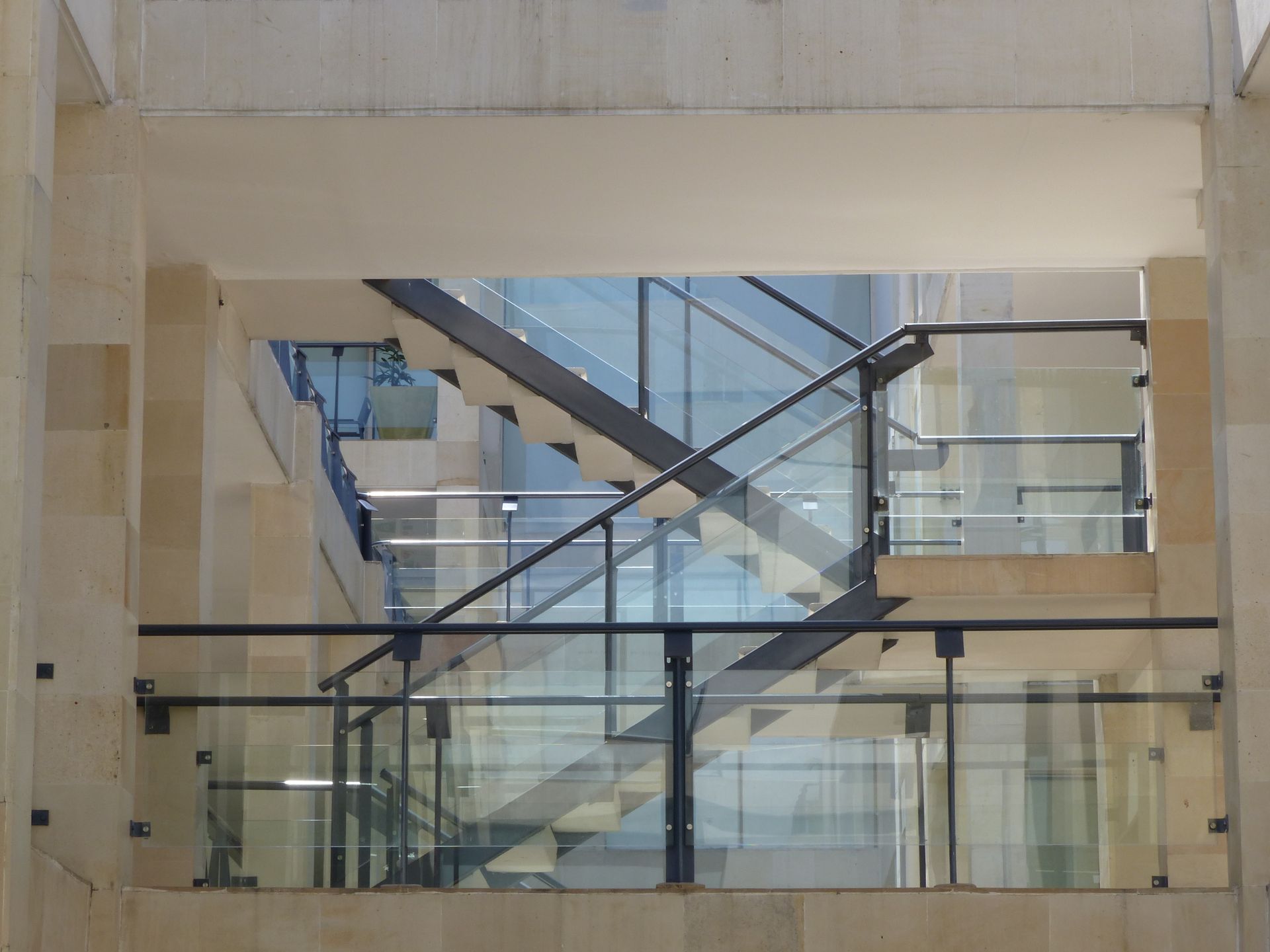

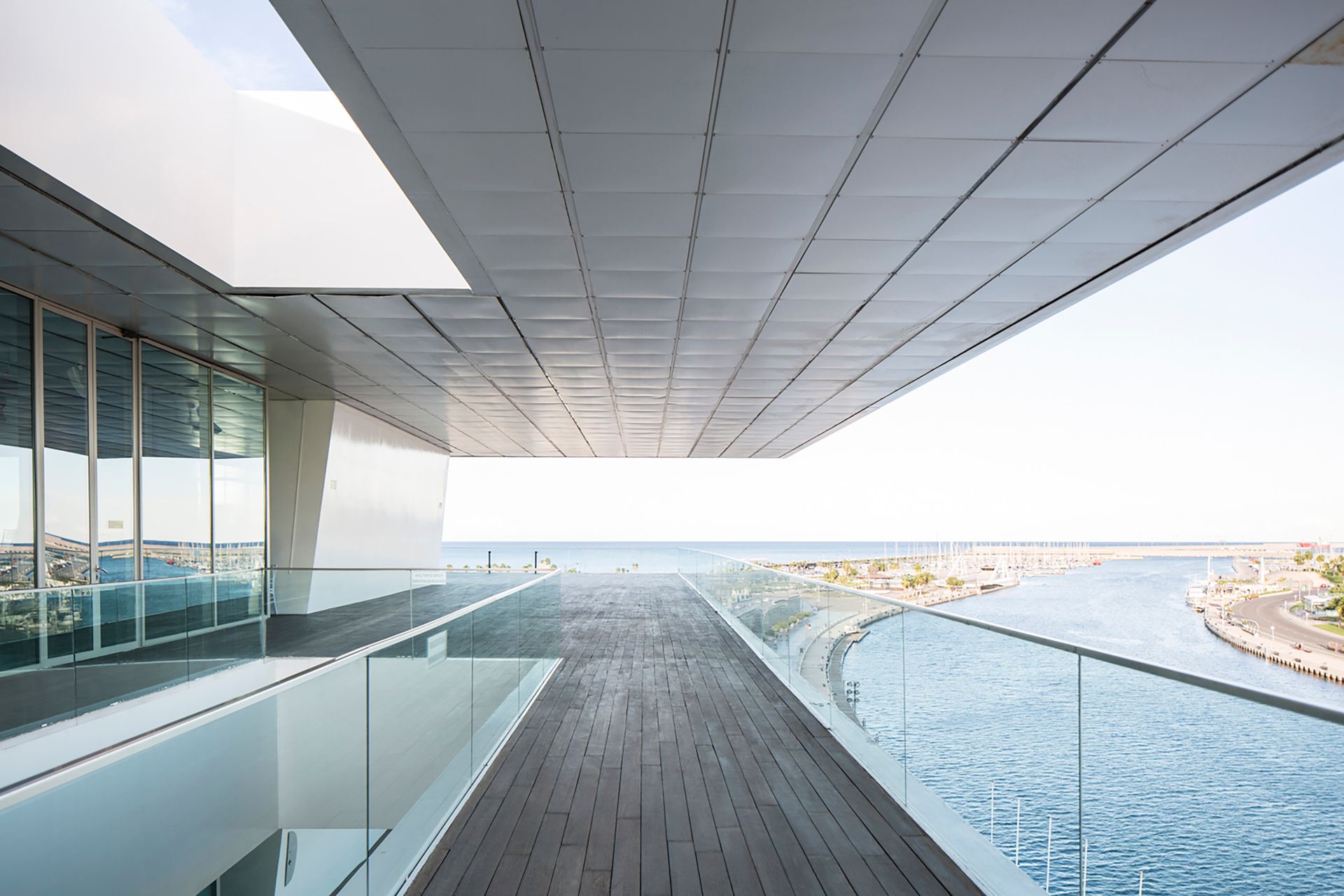
Glass railings suit many Metro Vancouver and Sea to Sky properties because they preserve light and views, but coastal weather can leave them looking tired faster than homeowners expect. Rain, airborne salt, pollen, dust, and organic debris can build up on the glass and hardware throughout the year.
Regular maintenance does not need to be complicated. The goal is to keep the glass clear, prevent residue from sitting on metal components, and notice small issues early. Homeowners using glass railing systems can usually manage routine care with simple cleaning and periodic visual checks.
Why Coastal Conditions Affect Glass Railings
British Columbia's coast combines frequent rain with damp air and, in some locations, salt carried inland from the ocean. A sheltered city balcony may experience far less exposure than a waterfront deck or an elevated home facing prevailing winds.
Glass itself does not rust, but the complete railing includes hardware, fasteners, posts, channels, seals, and mounting points. Dirt and moisture can collect around these areas, especially when leaves or debris remain trapped nearby.
The surrounding deck matters too. Water should be able to drain properly rather than remaining around mounting points for long periods.
Clean the Glass Before Heavy Buildup Forms
The easiest way to maintain clear panels is to clean them before residue becomes stubborn.
For routine cleaning, start with clean water and a soft cloth, sponge, or non-abrasive tool. A mild glass-safe cleaner can help when water spots, fingerprints, or environmental residue remain.
Avoid abrasive pads or harsh products that may scratch surfaces or damage nearby finishes. If a railing includes powder-coated posts or specialized hardware, make sure the cleaning product is suitable for those materials.
Cleaning frequency depends on exposure. Glass near salt air, trees, traffic, or irrigation may need more frequent washing.
Pay Attention to Water Spots and Mineral Deposits
Rainwater may leave marks, but irrigation and hard water can create more noticeable mineral deposits.
If sprinklers repeatedly spray a glass railing, consider adjusting their direction. Constant wetting can leave spotting and create unnecessary moisture around hardware or mounting areas.
Removing deposits early is usually easier than allowing them to build up over months. Cleaning after dry summer periods can be useful when dust and mineral residue have accumulated.
Rinse Salt and Coastal Residue From Hardware
Homes closer to the ocean may experience more salt exposure. Even components designed for exterior use benefit from being kept reasonably clean.
Periodically rinse accessible metal surfaces with fresh water, particularly after periods of strong coastal wind. Wipe away visible salt, dirt, or debris rather than allowing it to remain in joints and corners.
Westline's service areas include communities with different exposure conditions, from urban neighbourhoods to waterfront and mountain properties. Maintenance should reflect the actual site rather than following one schedule for every home.
Check Hardware and Mounting Points
Cleaning is also a good opportunity to inspect the railing.
Look at posts, base shoes, spigots, brackets, fasteners, seals, and other visible components. The goal is simply to notice obvious changes.
Watch for:
- Loose or shifting components
- New movement in panels or posts
- Cracked or damaged glass
- Damaged seals or gaskets
- Debris trapped around mounting points
- Changes in the deck surface near the railing
- Visible deterioration around connections
If something suddenly feels loose or different, have it reviewed rather than ignoring it.
Keep Drainage Areas Clear
Leaves, needles, moss, and other debris can collect around railing bases, especially on decks surrounded by trees.
Keeping these areas clear helps water move away and makes it easier to see the condition of the mounting surface. On balconies or decks with drainage systems, avoid blocking drains while cleaning.
This is especially relevant during autumn and winter, when wet organic debris can remain against surfaces for long periods.
What About Frameless Glass Railings?
Frameless glass railings may have fewer posts and rails to clean, but that does not make them maintenance-free.
Hardware such as spigots, standoffs, or base shoes still needs attention. Long channels can collect dirt along their edges, and glass panels remain exposed to the same rain and airborne residue as framed systems.
The visual simplicity of frameless glass can also make spotting more noticeable because there are fewer structural elements around the panels.
The best routine is based on the specific hardware and exposure of the system, not simply whether the railing is framed or frameless.
Seasonal Glass Railing Maintenance
A simple seasonal routine can make maintenance easier.
Spring
Wash away winter residue, inspect visible hardware, and clear debris from around the railing base. Look for changes in deck surfaces after months of wet weather.
Summer
Clean fingerprints, dust, pollen, and sprinkler deposits as needed. Check whether landscaping or irrigation is regularly contacting the railing.
Autumn
Remove leaves and organic debris before they collect around mounting areas. Clean the glass before colder, wetter weather arrives.
Winter
Keep drainage paths open and watch for unusual movement or damage after severe weather. Avoid hitting frozen or cold glass with tools when clearing nearby areas.
When Should You Ask for a Professional Review?
Routine cleaning is a homeowner task, but structural concerns should be treated differently.
If you notice cracked glass, loose panels, moving posts, damaged mounting surfaces, or significant changes around the railing, professional assessment is appropriate. Do not rely on cleaning or tightening random hardware as a substitute for identifying the cause.
Older systems may also deserve closer review when deck renovations, waterproofing work, or other exterior changes are planned.
Looking through Westline's project gallery can help homeowners see how different glass railing systems are integrated with decks, stairs, and exterior finishes.
Good Maintenance Starts With the Right System
Maintenance is easier when the railing has been selected and installed with the site's exposure in mind. Hardware, mounting conditions, drainage, surrounding materials, and access for cleaning should all be considered during planning.
There is no universal maintenance schedule for every coastal BC property. A sheltered balcony and an exposed waterfront deck can experience very different conditions.
The practical approach is simple: keep the glass and hardware clean, prevent debris from collecting around the base, inspect visible components periodically, and respond when something changes.
Homeowners planning a new railing can explore Westline's glass railing services and completed projects before deciding what will work best for the property. Proper planning can make future care easier while helping the railing continue to look clear and well integrated with the home.