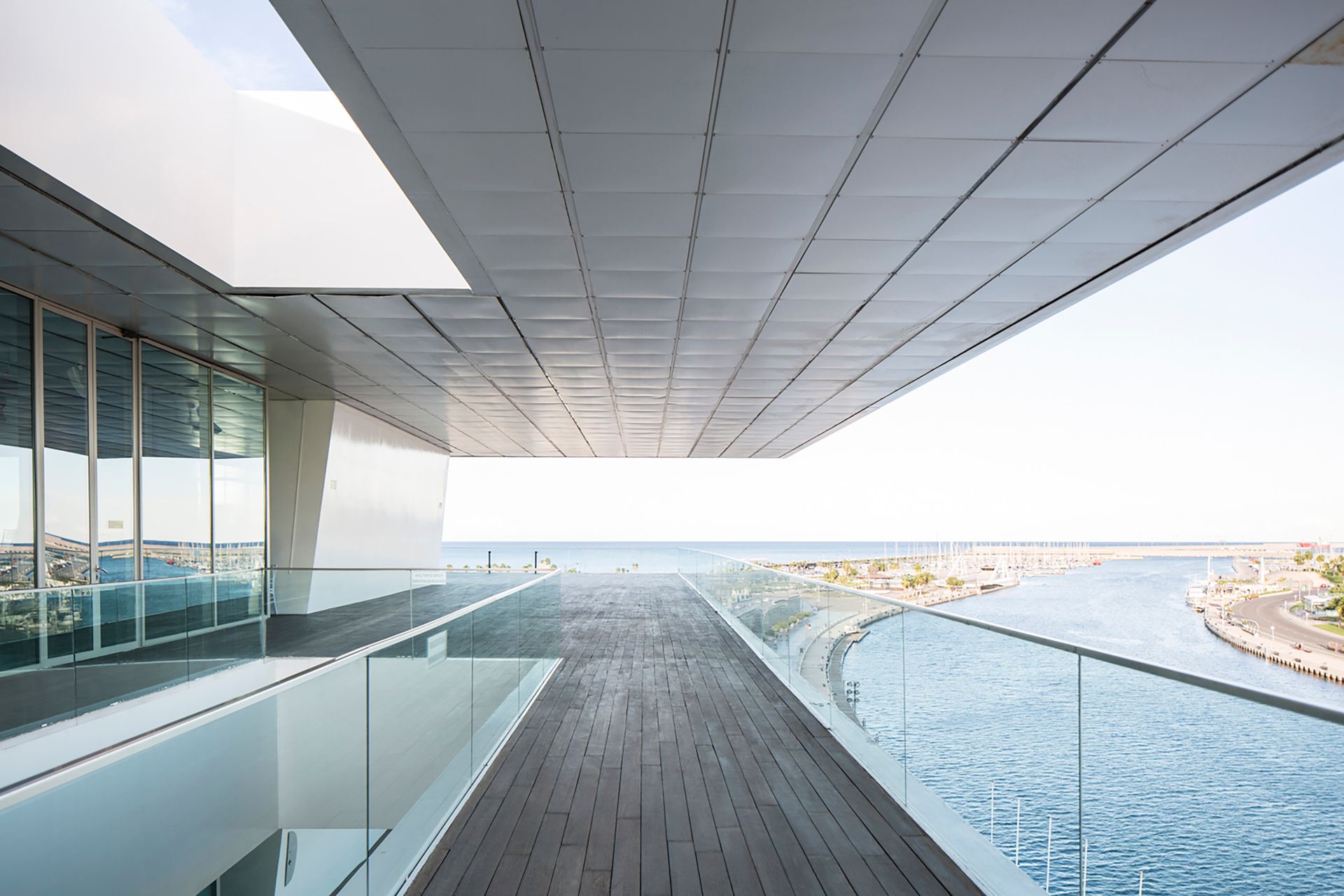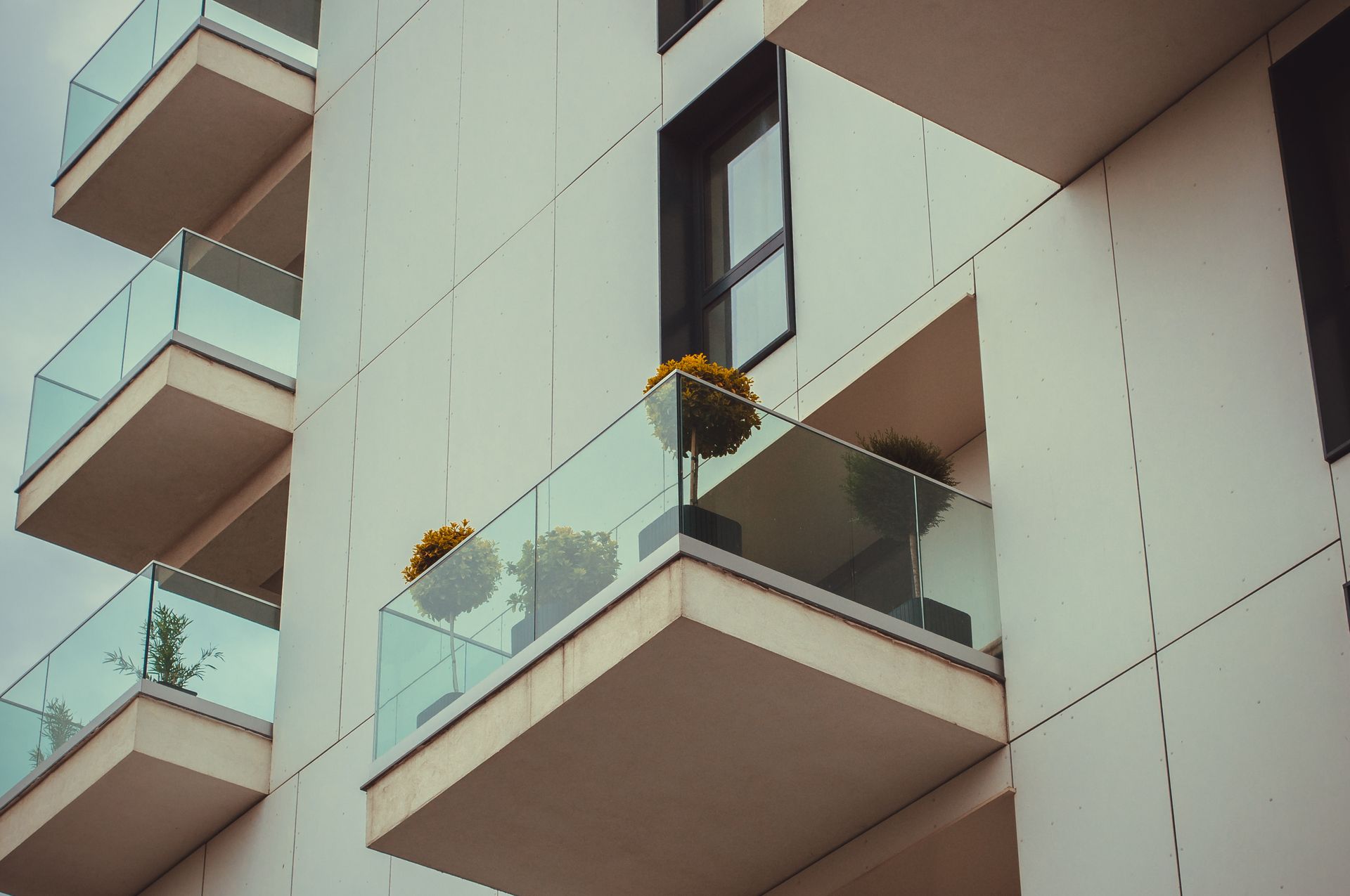

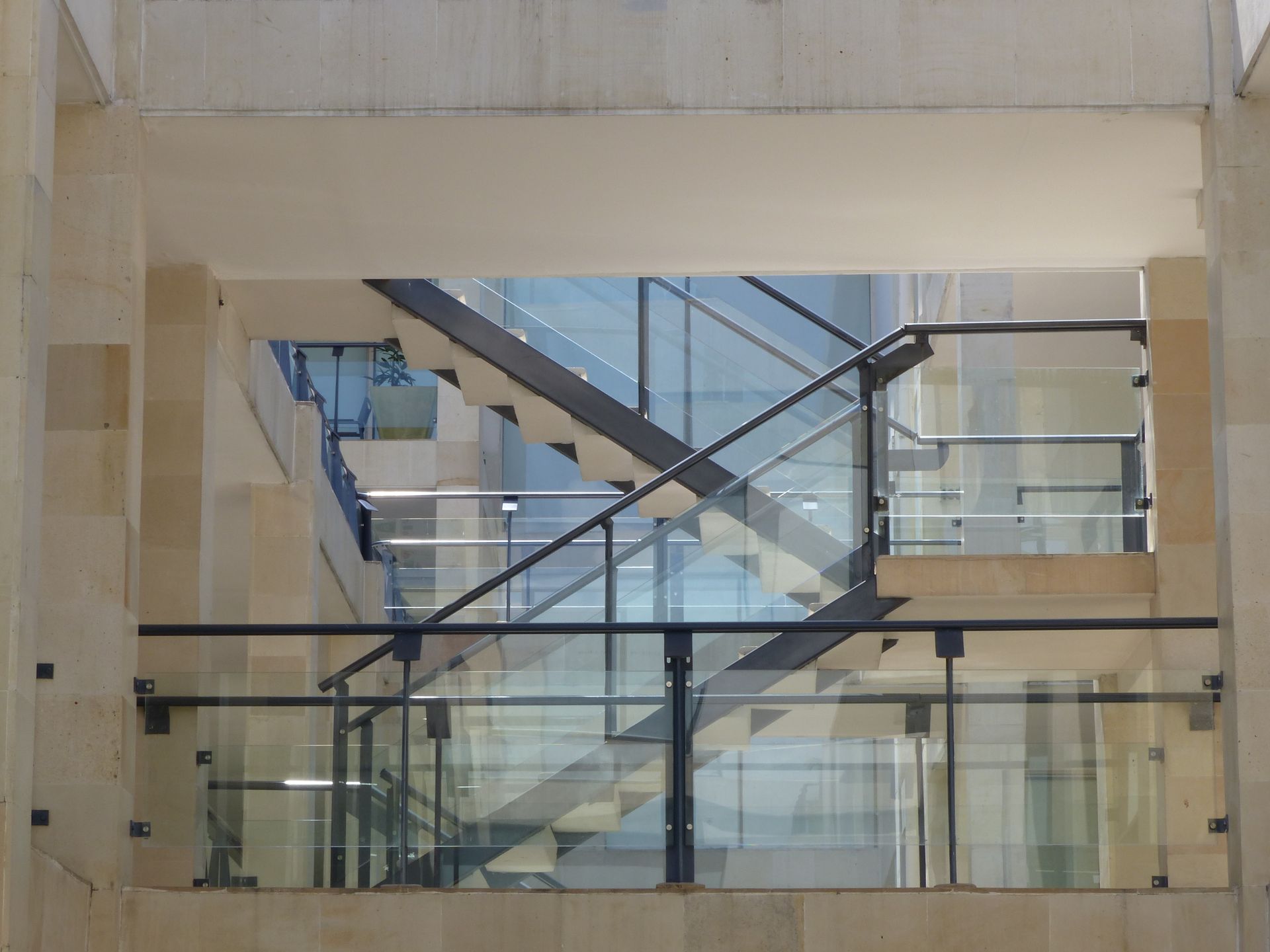
Tempered and laminated glass can both be used in safety-sensitive architectural applications, but they behave differently when damaged. For railing projects, that difference can affect system design, hardware, appearance, and what happens if a panel breaks.
Homeowners comparing glass options should think beyond thickness alone. The right choice depends on the railing configuration, location, mounting method, exposure, and applicable project requirements. Westline's glass railing systems can accommodate different architectural goals, but the glass needs to suit the complete railing system rather than being selected on its own.
What Is Tempered Glass?
Tempered glass is heat-treated to increase its strength compared with ordinary annealed glass. The tempering process also changes the way it behaves when broken. Instead of forming large sharp shards, tempered glass is designed to fragment into many smaller pieces.
That breakage behaviour is one reason tempered glass is commonly used in safety-related applications.
For railings, tempered glass may be incorporated into different systems depending on the design and project requirements. It provides the transparent appearance homeowners expect from glass while offering properties appropriate for many architectural uses.
One important consideration is that when a tempered panel fails completely, the panel can fragment throughout. The supporting system and consequences of panel failure therefore need to be considered during design.
What Is Laminated Glass?
Laminated glass consists of glass layers bonded together with an interlayer. If the glass becomes damaged, that interlayer can help retain broken fragments instead of allowing the entire assembly to immediately fall apart.
This post-breakage behaviour is one of the main differences between laminated and single-pane tempered glass.
Laminated glass itself is not one universal product. Different glass layers, thicknesses, and interlayers can be combined depending on the intended application.
Homeowners considering frameless glass railings may encounter laminated configurations because systems with minimal visible framing can place additional importance on glass behaviour and the way panels are supported.
What Happens When Each Type Breaks?
This is the most useful distinction for many homeowners.
Tempered glass is designed to fragment into relatively small pieces when complete breakage occurs. Laminated glass has an interlayer that can help keep broken material together.
That does not mean damaged laminated glass can simply be left in place indefinitely. Cracked or broken railing glass should still be assessed and replaced as appropriate.
The benefit of retained fragments is that the panel may behave differently during the period immediately following damage. Whether that characteristic is required or desirable depends on the railing design, location, and applicable requirements.
For an elevated balcony, stair, deck, or other guard location, these considerations can be more important than they would be for decorative glass.
Is Laminated Glass Stronger Than Tempered Glass?
Calling one universally stronger can be misleading.
Glass performance depends on the complete configuration: panel dimensions, thickness, supports, edge conditions, number of glass layers, interlayer, hardware, and the forces the system needs to handle.
Tempering strengthens individual glass plies. Lamination introduces an interlayer and changes how multiple layers behave together, particularly after damage. Laminated architectural glass can also be produced using tempered or other treated glass layers depending on the specification.
So the practical question is not simply, "tempered or laminated?" It is, "What glass configuration is appropriate for this particular railing?"
Framed and Frameless Systems Change the Decision
The railing hardware matters as much as the glass.
Posts, rails, base shoes, spigots, standoffs, fasteners, and supporting structures all affect how forces are transferred through the system. A framed glass railing supports glass differently from some frameless configurations.
A system supported continuously along its base also creates different design conditions from one using individual connection points.
The structure underneath matters too. Concrete, wood framing, fascia conditions, stairs, waterproofed surfaces, and existing construction can all affect installation.
This is why choosing a glass type from a photograph or product sample before reviewing the mounting conditions can put the decision in the wrong order.
Will Tempered and Laminated Glass Look Different?
From normal viewing distances, both can create the clear appearance associated with glass railings.
Laminated glass may reveal its layered construction along exposed edges, depending on the makeup of the panel. That can become more noticeable in minimalist installations where glass edges remain visible.
The interlayer may also introduce subtle visual characteristics depending on the product. For most homeowners, however, larger design decisions such as posts, top rails, hardware, panel spacing, and railing layout have a stronger visual impact.
Westline's project gallery is useful for considering the railing as part of the whole property rather than focusing exclusively on the glass specification.
What About Coastal British Columbia Weather?
Exterior railing systems in Metro Vancouver and the Sea to Sky Corridor regularly face rain, moisture, temperature changes, and varying levels of coastal exposure.
Glass itself does not rust, but a glass railing contains much more than glass. Hardware, fasteners, seals, mounting points, and nearby materials must all suit the environment.
Exposed glass edges and hardware should also remain reasonably clean. Dirt, moisture, salt residue, and organic debris can collect around components and make inspection more difficult.
Neither laminated nor tempered glass removes the need for suitable exterior hardware, proper drainage, thoughtful mounting, and routine maintenance.
Does Glass Type Affect Project Cost?
It can, but glass type is only one part of a railing quote.
Laminated configurations involve multiple layers and an interlayer, while different tempered configurations have their own fabrication requirements. Panel dimensions and edge work can also influence the project.
Other cost factors include:
- Total railing length
- Panel sizes and quantities
- Mounting method
- Hardware
- Stairs and corners
- Site access
- Existing railing removal
- Supporting conditions
- Installation complexity
Comparing two railing quotes only by the glass description can therefore be misleading. The scope and complete system should be comparable too.
How Should Homeowners Choose?
Start with the property rather than deciding on a glass label first.
Consider where the railing will be installed, whether it is framed or frameless, how the panels will be supported, the height and use of the area, weather exposure, maintenance access, and the desired appearance.
Applicable building, structural, engineering, safety, and municipal requirements may also influence the glass configuration. Because those requirements can vary by project and jurisdiction, they should be verified for the actual property rather than assumed from general online advice.
The safest planning approach is to treat the glass, hardware, mounting surface, and supporting structure as one system.
The Practical Difference
Tempered glass offers increased strength compared with ordinary annealed glass and is designed to fragment differently when broken. Laminated glass introduces an interlayer that can help retain broken pieces after damage.
Both characteristics can be valuable, but neither makes one glass type automatically right for every railing.
If you are planning a new glass railing and need to compare suitable systems for your property, you can request an estimate from Westline with photos, measurements, drawings, and other project details. A site-specific review can then consider the glass alongside the mounting method, structure, exposure, and overall railing design.